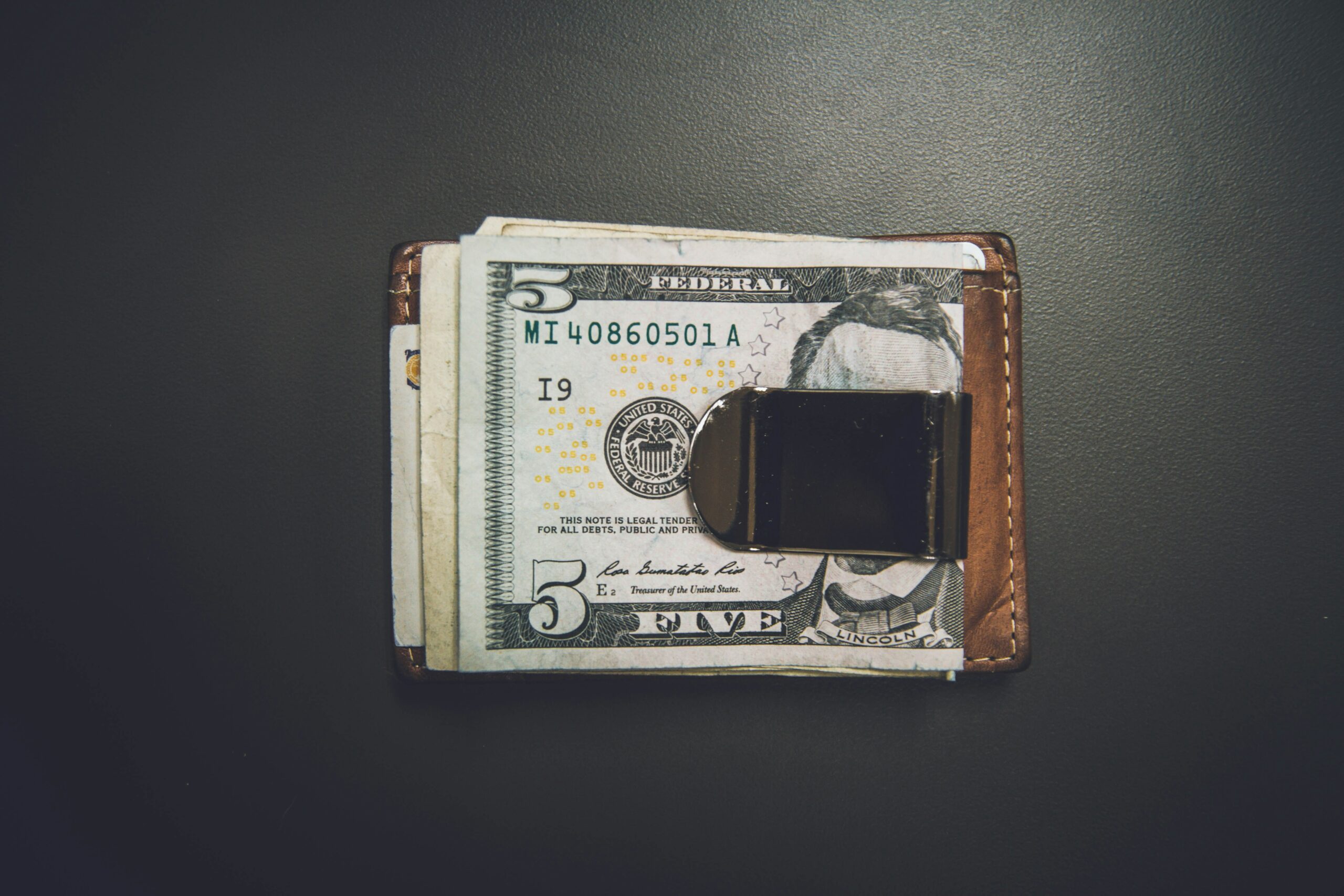
People have different money problems. For some, it’s not enough money for their daily needs.
Others have enough to meet their needs, but they know there’s still room for better management, given the continued rise in the prices of everyday items.
If you’re in the latter camp, you know that without some financial discipline, you’ll be sorry if your source of regular income is affected. For those in the former, well, there’s even more work to do.
Either way, the better you manage your money, the better off your life will be. Many people fall into financial trouble because they’re not financially disciplined.
Here are five tips to help you become more financially disciplined.
Tracking your expenses
It’s easy to make a lot of money, but it’s just as easy for the money to vanish into thin air. It happens to many of us, and we sit back and ask ourselves where all the money went.
As a friend jokes, money has wings, and if you don’t watch it, it’ll fly from your keep.
You can prevent your money from growing wings and flying from you if you track your expenses. If you don’t know where your money goes, you can’t discipline yourself to change much about it.
Thankfully, these days, many apps to help you do that abound online.
If you prefer to go the old-school way, you can get a book and pen to track these everyday expenses. It’ll help give you a better picture of how you spend your money and what you can change going forward.
Budgeting and sticking to it
Another way to keep your financial discipline is budgeting – and sticking to it for the most part. Many people buy on impulse. Others buy things they’ve not budgeted for or items they can’t afford.
And for many, those costly decisions will lead to financial trouble down the line.
One of the simplest ways to manage that trouble is to ensure you prepare a budget for your everyday expenditure. It might be hard to stick to this budget when an emergency comes up, and that’s fine.
Also, you may occasionally outspend your budget, and that’s also fine.
But the most revealing reason to have a budget is that it helps guide your spending. That will help you build financial discipline over time.

Dig deep into investment opportunities before you invest
Many people have lost money chasing shiny investment opportunities. While some investments looked promising at the start, they were Ponzi schemes – or even just bad investments.
You can’t predict how every investment will turn out, but you can save yourself a lot of headaches by digging deep into every investment option that someone presents to you.
Some red flags are very obvious – unrealistic rates of return, pressure from partners, and many hidden conditions. But it’s easy to miss many other non-obvious ones.
And these days, it’s becoming hard to tell what’s right from wrong.
All of that means you have to dig even deeper and guard your money tighter when it comes to investments. If you’re in doubt, you’re better off not investing. Another chance will come along.
Building a savings habit
A savings habit is a solid way of building financial discipline. If you can train yourself to set aside a percentage of your income in savings, you can build on that foundation.
No, savings shouldn’t be the ultimate end unless you’re saving for a rainy day. That’s one of the few conditions under which I’ll recommend saving money.
Emergencies happen unplanned – medical, family, business – and when you have some money saved up, it can help you address the emergency.
You can also save towards a new purchase, say, a phone, watch, or even a car. That way, when it comes time to buy, you only supplement what you’ve saved with the difference to help you get that new item.
Many people can’t convince themselves to save something at the end of each month, and you’ll be on a good path if you can outdo them. The principle is to save before you spend.
How much to save? It’s hard to suggest since everyone’s income and expenditure vary.
Delaying non-essential expenditure
We all love the shiny products on the market. Marketers push the envelope and spare no expense to tease us about these new products, like gadgets, clothes, or food.
Many people are quick to fall for these slick marketing moves, and they end up stuck with items they don’t need. Or quickly fall out of love with.
Yes, you should always treat yourself to something good when you can do that. But you can be more deliberate about it. Buying on impulse will likely not help your financial discipline.
If it’s something you can do without, ask yourself if it can wait for another three or six months. Sometimes, the desire would still be there when the time elapses. Other times, it would have died totally.
Leave a Comment