
Everybody eats—several times each day, for most people. Whether you cook most of your meals at home or depend on food vendors or that chic restaurant, you can’t dismiss questions about food hygiene.
Where you’re buying the food, most of the work involved in ensuring the food is hygienic is beyond your control.
But if you cook your own food in your kitchen, you have a firm grip on some aspects of food hygiene. And that’s what many people prefer when they have the time and energy for it.
You can understand why, given the rising cholera cases in Ghana in recent years. While not all of it is because of the food people eat, you can’t rule out food hygiene in these discussions.
But cholera or not, everyone needs to maintain food hygiene because it’s just the right thing to do.
Proper food hygiene helps prevent other food-related diseases like tummy upsets and food poisoning, some of which could pose serious threats to lives. Here are a few tips to help you get started in maintaining good food hygiene at home.
Wash the foodstuffs well
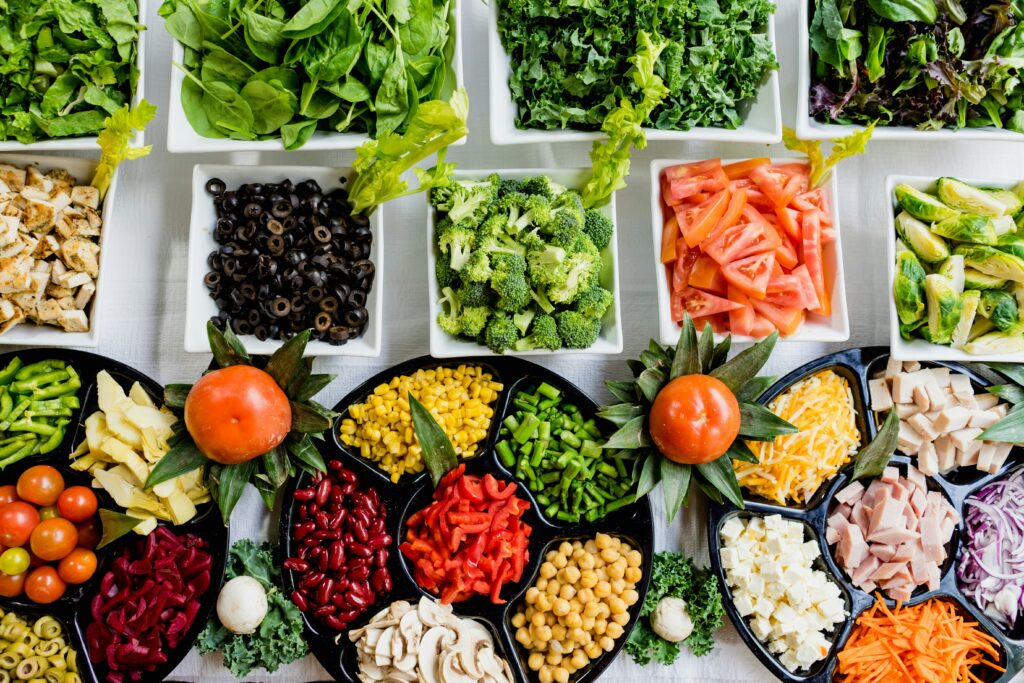
The lowest-hanging fruit in the food hygiene equation is washing the vegetables well. Given the distance most vegetables would have traveled – several hundred miles from the farms to the markets – you must wash them well.
Some people recommend washing veggies with vinegar to help remove bacteria and other germs. And you can understand why. Where possible, wash these lovely vegetables multiple times, or at least thoroughly if you’re giving it only one wash.
Some people have suffered bouts of food poisoning from some vegetables that weren’t washed well.
Wash your hands too
Of course, you can’t maintain food hygiene with unwashed hands. Yes, the hand sanitizer helps, but it doesn’t beat washing your hands with soap under running water. Before you start cooking, when you get up to buy something – or worse, use the washroom – you need to wash those hands well.
Ensure the food is well-cooked
Some food items must be well-cooked, or they’ll give consumers trouble after eating. Groundnut soup, for example, springs to mind. Many people have reported tummy upsets after taking ground nut soup that wasn’t well-cooked.
For some portions of meat and fish to be good enough for consumption, they must be well-cooked. Anything short of that could leave consumers in a lot of trouble.
Cover your hair
It’s not uncommon to find a strand of hair in some meals. In many cases, that is preventable if everyone in the chain covers their hair. That’s why it helps to take the simple step of covering your hair before cooking.
Cook with clean water
The water used in cooking can pose a real risk to consumers of the food. People in many areas of the country still have to treat their water extensively before it is potable.
Depending on the source of the water, some people let the sediments settle before boiling it.
Ultimately, the source of your water will inform you of how much you should treat the water.
6. Serve in wholesome packages
All the effort you put into cooking won’t amount to much if the food isn’t served in wholesome bowls or other packages for consumption. Ensure those bowls are washed clean. Also, cover these bowls where necessary to prevent dust and insects from settling on the food.
There are many more aspects of food hygiene that everyone must strive to respect. Given how crucial food is to our very survival, we have no choice.
Photo credits:
Cover Image: Photo by Dan Gold on Unsplash
Second Image: Photo by Carissa Gan on Unsplash
You May Also Like

How I Eat My Yogurt for Maxi ...
August 31, 2025
Plain Rice: All the Many Way ...
March 13, 2025

Five Extras That Will Make Y ...
December 2, 2024
Leave a Comment